

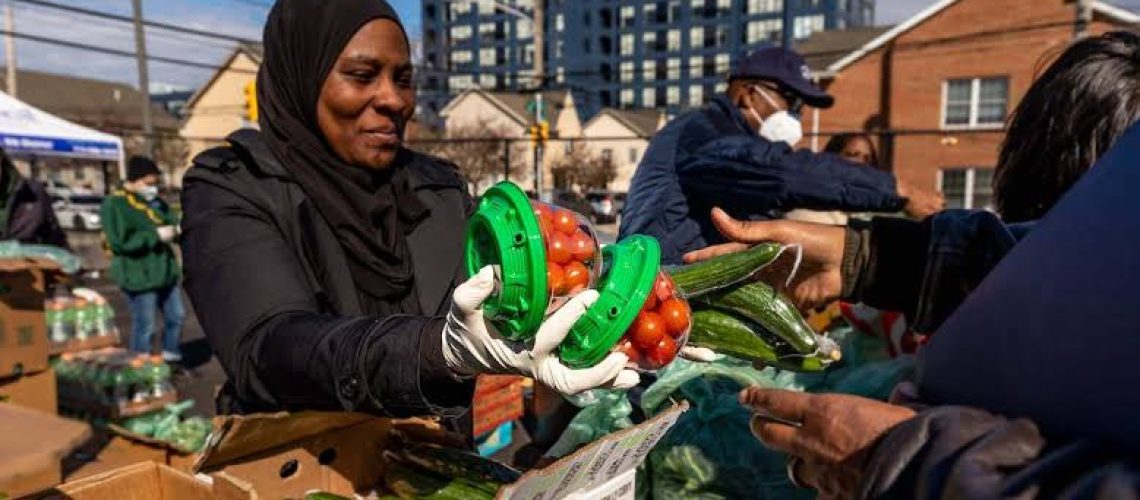
In many communities, food is more than a basic necessity.
It is a source of connection, conversation, and cooperation. Neighbors often exchange meals, recommend markets, share cooking ideas, and support one another during difficult times. One practical way to build on this culture is through shared food purchasing.
Shared food purchasing happens when neighbors come together to buy food items in larger quantities and divide the cost or supplies among participating households. This approach can reduce expenses while also creating opportunities for people to interact, cooperate, and build stronger relationships.
Shared Purchasing Creates Opportunities to Connect
Modern urban life can make it difficult for neighbors to know one another. People may live in the same building or street without having meaningful conversations.
Organizing a shared food purchase changes this. Neighbors must communicate about what to buy, how much each household needs, where to purchase it, and how costs will be divided. These simple interactions can gradually create familiarity and trust.
A group that regularly buys rice, beans, cooking oil, vegetables, or other household essentials together can develop a stronger sense of community over time.
It Makes Food Shopping More Affordable
Buying certain food items in bulk can sometimes reduce the cost per unit. When several households contribute to a larger purchase, they can share the financial benefit without requiring each family to store a large quantity.
For households managing tight budgets, this can be particularly useful. Families can combine their purchasing power while maintaining control over the amount they take home.
However, the savings should be calculated carefully. Participants should compare bulk prices with regular retail prices and include transportation, storage, and packaging costs before deciding whether a group purchase is worthwhile.
It Encourages Trust and Accountability
Shared purchasing requires transparency. Someone may collect contributions, another person may negotiate with a supplier, while others may help transport or divide the items.
These responsibilities create opportunities to demonstrate reliability.
Clear records can make the process easier. Participants should know how much was collected, what was purchased, how much it cost, and how the food was divided. When people see that everyone is treated fairly, confidence within the group can grow.
Trust developed through small activities such as food purchasing can eventually extend to other forms of neighborhood cooperation.
It Helps Neighbors Support One Another
Not every household has the same financial resources, transportation options, or free time. A shared purchasing arrangement can help neighbors recognize these differences and find practical ways to support one another.
For example, a neighbor with access to transportation may help collect an order, while someone with more storage space may temporarily keep dry goods before distribution. Another person may handle calculations or communication.
This creates a culture where community members contribute according to their abilities.
It Can Reduce Food Waste
Shared purchasing can also encourage better planning. Instead of several households independently buying more food than they need, participants can discuss quantities before placing an order.
This is especially useful for perishable foods. Neighbors can agree on realistic quantities and divide items according to household needs.
Proper storage remains important, but coordinated purchasing can help households avoid unnecessary duplication and reduce the likelihood of food being forgotten or left unused.
Shared Food Purchasing Can Build Community Traditions
A successful group purchasing arrangement does not have to remain purely transactional. Over time, it can become part of neighborhood culture.
Neighbors might create a monthly food-buying day, organize seasonal purchases, or combine shopping with a short community gathering. These regular activities give people something to look forward to and create opportunities for families to interact.
Children can also observe adults cooperating, budgeting, sharing responsibilities, and resolving disagreements. In this way, shared purchasing can teach practical lessons about community life.
How to Organize a Successful Neighborhood Food Group
A simple structure can prevent misunderstandings. Start with a small group of interested households. Agree on the types of food to purchase and determine whether the goal is lower prices, convenience, or both.
Next, establish basic rules for contributions, deadlines, purchasing responsibilities, distribution, and refunds. Keep financial records accessible to participants.
It is also important to begin with products that are easy to measure, store, and divide. Dry foods and non-perishable household staples may be easier to manage than highly perishable products.
Most importantly, communication should remain open. If prices change, an item becomes unavailable, or a delivery is delayed, participants should be informed promptly.
Managing Differences Fairly
Neighborhood groups will not always agree. One household may want premium products while another prefers cheaper alternatives. Some families may need larger quantities, while others need only a small amount.
The solution is flexibility.
Groups can allow households to choose from agreed product options or contribute different amounts based on their needs. Decisions should be discussed collectively rather than allowing one person to control the entire process.
Fairness does not necessarily mean everyone receives exactly the same thing. It means the purchasing system is transparent and respects the needs and contributions of participants.
Turning Food Purchases Into Stronger Relationships
The greatest benefit of shared food purchasing may not be the money saved. It may be the relationships created along the way.
A conversation about where to buy affordable beans can lead to recommendations about a reliable trader. Helping a neighbor carry groceries can create a friendship. Working together on a monthly order can make residents more comfortable asking for or offering help when other needs arise.
Communities become stronger when people have regular opportunities to cooperate. Shared food purchasing provides one of those opportunities through something households already need to do: buy food.
Conclusion
Shared food purchasing offers a practical way for neighbors to combine resources, reduce unnecessary costs, improve shopping efficiency, and potentially reduce food waste. More importantly, it creates regular opportunities for communication, cooperation, and mutual support.
When organized transparently and fairly, a simple group food purchase can become much more than a shopping arrangement. It can help transform people living close to one another into neighbors who know, trust, and support each other.
In communities where cooperation is valued, sharing the responsibility of buying everyday essentials can be a small step toward building stronger relationships and a more connected neighborhood.
