

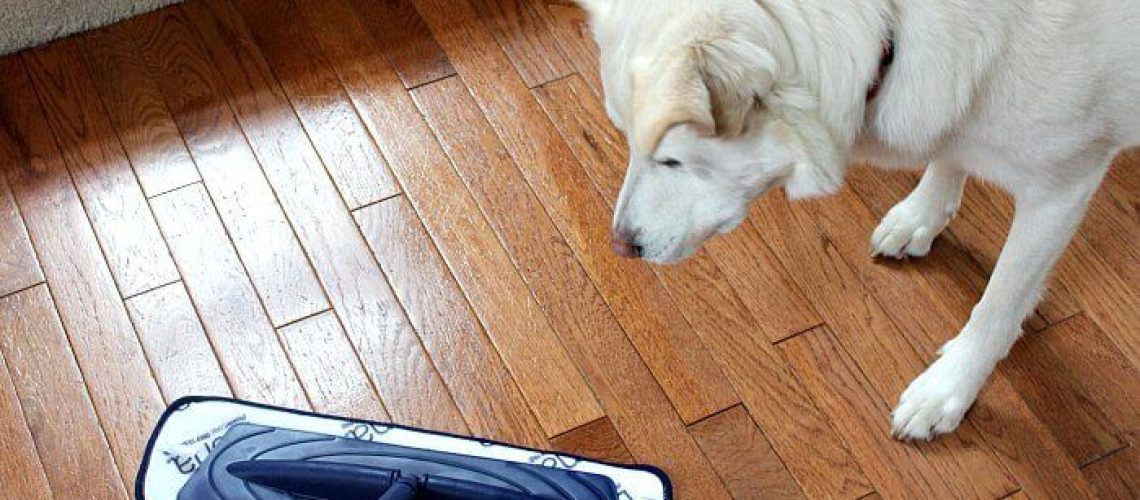
Keeping a clean home with children and pets does not require spotless rooms or hours of cleaning every day.
The most effective approach is to build simple routines, create designated spaces for toys and pet supplies, clean messes promptly and involve children in age-appropriate tasks.
Family life is naturally busy. Children bring home dusty shoes, scatter toys and spill food. Pets may shed fur, track dirt indoors or leave water around feeding areas. When everyone shares a home, the mess can return soon after you finish cleaning.
The solution is not to expect perfection. Instead, create a household system that makes cleaning easier to repeat.
1. Establish a Short Daily Cleaning Routine
A small amount of daily maintenance can prevent mess from building up into a large weekend task.
Start with a few essentials: wash dishes, wipe kitchen surfaces, clear the main walkway and return toys to their storage areas. If your pet has a feeding area, clean spills and remove leftover food as appropriate.
Choose a time that fits your household. Some families tidy before bedtime, while others prefer a short reset after dinner.
Keep the routine manageable. A ten-minute tidy can be more sustainable than a complicated schedule that nobody follows.
If you share responsibilities with another adult, divide tasks clearly. One person might handle dishes while another helps children put away toys or prepares the living room for the next day.
2. Give Toys and Pet Supplies a Proper Place
Clutter makes cleaning slower because every surface must be cleared before you can wipe it.
Use baskets, shelves or labelled containers to organise toys. Keep frequently used items accessible to children, while storing small objects and potentially dangerous materials out of reach of younger children and pets.
Pet supplies also need designated storage. Keep food, leads, grooming tools and cleaning materials in suitable places rather than allowing them to spread across the home.
Choose storage that matches your space. You do not need to buy an expensive organiser for every room. A few durable baskets may be enough to keep everyday items together.
Make putting things away part of the household routine. Children can learn to return toys after play, while adults ensure that pet equipment is stored safely.
3. Clean from Top to Bottom
Cleaning in the right order prevents repeated work.
Start with higher surfaces, such as shelves and tables, then clean furniture and lower surfaces before finishing with the floor. Dust and crumbs often fall as you work, so sweeping first may mean doing it again.
In a family home, focus on high-use areas such as the living room, kitchen, children’s play space and entrance.
Use separate cloths for bathroom surfaces and kitchen food-preparation areas. Wash reusable cloths regularly and allow them to dry thoroughly.
If you have pets that shed, a suitable vacuum or reusable lint remover may help with fur on floors and furniture. Follow the equipment manufacturer’s instructions and choose tools that work with your floor and upholstery materials.
4. Keep the Kitchen Safe for Children and Pets
The kitchen often becomes messy because it combines food preparation, family meals and frequent movement.
Wipe spills promptly, wash dishes regularly and store food in suitable containers. Clean feeding bowls according to their use and keep pet food away from surfaces used to prepare human food.
Do not leave knives, hot liquids, cleaning products or small choking hazards within reach of young children. Keep pet food and medicines in secure storage, too.
If you use household cleaners, follow the label and allow surfaces to dry as directed before children or pets return to the area.
Never mix cleaning products, especially bleach with vinegar or ammonia-containing products. Dangerous fumes can result. Good ventilation and safe storage are essential, even when a product is marketed as natural.
For further guidance on everyday hygiene, Easer’s article on how to disinfect your home safely explains the difference between cleaning and disinfection and highlights important chemical-safety precautions.
5. Manage Pet Hair and Odours
Pet hair can collect on sofas, rugs, bedding and corners, particularly when an animal sheds heavily.
Brush your pet as appropriate for its coat and grooming needs. Use a vacuum, lint roller or suitable cleaning tool on furniture and floors. Wash pet bedding according to the care instructions and allow it to dry completely.
If your pet has an accident indoors, clean the area promptly with a product suitable for the surface and the type of mess. Follow the label and keep children and pets away until the area is safe.
Persistent odours may indicate that a stain remains in the material or that a litter tray, bedding area or feeding space needs more frequent attention. Identify the source instead of relying only on air fresheners.
Never use a cleaning product on an animal unless it is specifically intended for that purpose. If an odour or hygiene problem persists, ask a veterinary professional for advice.
6. Teach Children to Help Without Making Cleaning a Battle
Children can learn household responsibility through small, age-appropriate tasks.
Younger children may put toys into a basket, place books on a shelf or carry their own clothes to a laundry hamper. Older children can help make beds, wipe suitable surfaces or organise school items.
Show them what a completed task looks like. A vague instruction such as “clean your room” may feel overwhelming, while “put the blocks in this basket” is much easier to understand.
Use routines and reminders rather than expecting children to remember everything immediately. Praise consistent effort and allow time for learning.
Avoid assigning tasks that expose children to hazardous chemicals, sharp objects or pet waste. Adults should handle those jobs and supervise activities where necessary.
7. Protect Bedding, Sofas and Rugs
Soft furnishings collect dust, hair, crumbs and everyday stains. Regular care can keep them more comfortable and reduce the need for intensive cleaning.
Wash bedding according to the fabric instructions and replace it after accidents or spills. Use washable covers where practical, especially on furniture that children and pets use frequently.
Vacuum rugs and sofa surfaces regularly. Address spills promptly, but test cleaning products on an inconspicuous area before using them widely.
For difficult stains, delicate fabrics or heavily soiled upholstery, professional cleaning may be more appropriate than aggressive scrubbing. Avoid soaking materials that cannot dry properly, as trapped moisture may create further problems.
8. Make the Entrance Easier to Maintain
Dirt often enters the home on shoes, bags, paws and clothing.
Place a suitable doormat at the entrance and create a designated space for outdoor footwear. If your pet returns from a walk with muddy paws, keep a cloth or pet-safe cleaning supplies nearby for use as needed.
Check the floor around the entrance regularly, especially during rainy weather. A quick clean can prevent dirt from spreading into bedrooms and living areas.
Keep the route clear of bags, toys and pet equipment. This makes cleaning easier and reduces the risk of tripping.
9. Use a Realistic Weekly Cleaning Plan
Not every task needs to happen daily. Divide deeper cleaning across the week so that one person does not carry the entire workload.
| Frequency | Suggested tasks |
|---|---|
| Daily | Wash dishes, wipe food spills, tidy toys, clean obvious messes |
| Several times a week | Sweep or vacuum busy areas, clean pet feeding spaces, wipe frequently touched surfaces |
| Weekly | Change bedding, clean bathrooms thoroughly, wash pet bedding as needed, dust furniture |
| Monthly or as needed | Clean difficult corners, inspect storage areas, wash curtains or covers according to care instructions |
Adjust this plan to your household. A family with several pets may need more frequent vacuuming, while a household with young children may need to clean high-touch surfaces more often.
The purpose is to create a rhythm, not to follow a rigid timetable that makes family life more stressful.
10. Know When to Ask for Extra Help
Sometimes the household workload becomes difficult to manage because of work, school runs, illness or other responsibilities.
You may be able to ask family members to share tasks, simplify your routines or arrange occasional professional cleaning for demanding jobs.
Easer Lifestyle offers household and commercial cleaning-related services alongside its errands and logistics operations. If you need support with a specific cleaning task, confirm the service scope, availability and cost before making a booking.
Professional assistance can be particularly useful for deep cleaning or difficult jobs, but it does not replace the everyday routines that keep a home comfortable.
A Cleaner Home That Still Feels Like Home
A home with children and pets will never remain perfectly tidy all day, and it does not need to. The goal is to create a safe, comfortable space where everyone can live without constant stress about mess.
Use simple storage, clean food spills promptly, manage pet hair and teach children to take part in age-appropriate tasks. Keep hazardous products secure and choose cleaning methods that suit your surfaces and household needs.
With consistent routines and shared responsibility, cleaning becomes a manageable part of family life rather than an endless battle.
