

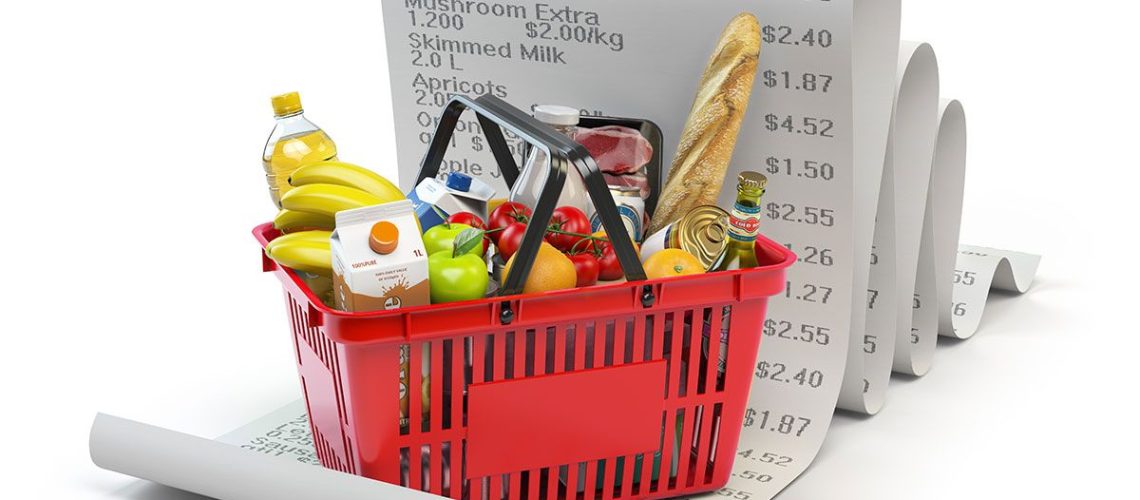
Imagine coming home after a long day at work and discovering that your kitchen has almost run out of food.
Rice is finished, there are no tomatoes for stew, and the last few eggs in the fridge will barely cover breakfast. Ordinarily, you might need to dress up, travel to the market, negotiate prices, join queues, and carry heavy bags home. However, there is another way to keep your kitchen stocked without leaving your house.
Today, shopping for groceries no longer requires a physical visit to a traditional market. Online grocery stores, WhatsApp vendors, supermarket delivery services, and professional shopping assistants make it possible to buy everyday essentials from your phone. For busy professionals, parents, elderly people, and anyone trying to save time, these options can make household management considerably easier.
The secret is knowing where to shop, how to compare prices, and how to ensure your groceries arrive in good condition. With a little planning, you can enjoy the convenience of grocery shopping without setting foot in a market.
1. Explore Online Grocery Stores and Supermarkets
One of the easiest ways to shop for groceries from home is through an online supermarket. Many retailers allow customers to browse products, check prices, add items to a virtual basket, pay electronically, and arrange delivery.
You can purchase items such as rice, pasta, cooking oil, milk, beverages, cereals, toiletries, and cleaning supplies. Some services also offer fresh vegetables, fruits, meat, fish, and other perishables.
In Nigeria, availability depends on your location. Some supermarkets operate their own ordering platforms, while others accept orders through websites or mobile applications.
Before placing an order, compare prices and delivery charges. A supermarket might offer competitive prices but charge more for delivery. Another store might have slightly higher product prices but provide better value through discounts or free delivery above a minimum order amount.
Check delivery times, payment options, return policies, and customer reviews before committing to a purchase. Most importantly, confirm that the service actually delivers to your neighbourhood.
2. Buy Groceries Through WhatsApp Vendors
WhatsApp has become a convenient shopping channel for many Nigerian households. Small grocery businesses, neighbourhood stores, foodstuff suppliers, and market vendors often use the platform to display products and receive orders.
Some vendors share daily price lists, while others upload pictures of available produce and packaged goods to their status updates. You can ask questions, confirm quantities, negotiate prices where appropriate, and arrange delivery without visiting their shops.
For example, a household in Lagos might order a bag of rice, a basket of tomatoes, onions, pepper, and cooking oil from a trusted foodstuff vendor. The vendor prepares the order and sends it to the customer’s home through a delivery rider.
However, convenience should not replace caution. Verify the vendor’s identity, request recent product pictures, and ask for recommendations from previous customers. For your first purchase, consider placing a smaller order before spending a substantial amount.
Avoid sending money to unfamiliar sellers without checking their credibility. Where possible, use payment methods that provide transaction records and agree on the delivery fee before confirming the order.
3. Hire a Personal Grocery Shopper
Sometimes, you want groceries from a particular market but do not want to deal with the journey, crowds, or bargaining. A personal grocery shopper can solve this problem.
These shoppers purchase items on your behalf according to your instructions. You provide a list, agree on a budget, and specify your preferred brands, quantities, and quality requirements. The shopper then visits the relevant stores or market and delivers your purchases.
This option is particularly useful when you need fresh produce, local foodstuff, or items that are difficult to find in regular supermarkets.
For instance, you could ask a shopper to purchase fresh fish, ripe plantains, beans, vegetables, and ingredients for a week’s worth of meals. You can also provide instructions about the size of the fish, the ripeness of the plantains, or the condition of the vegetables.
Before hiring someone, confirm their service fee, transportation charges, and payment arrangements. Ask whether they can provide receipts or pictures of purchases. A reliable shopper should communicate clearly if an item is unavailable or its price exceeds your budget.
4. Plan Your Grocery List Before Ordering
Shopping from home becomes expensive when you order items without a clear plan. Since everything is available at the touch of a button, it can be tempting to add unnecessary products to your basket.
A detailed shopping list helps prevent this problem.
Start by checking your kitchen cupboards, refrigerator, and freezer. Identify what you already have and what needs replenishing. Next, plan your meals for the coming days and list the ingredients required.
Divide your list into categories such as grains, proteins, vegetables, fruits, dairy products, household essentials, and toiletries. This structure makes it easier to compare prices and avoid forgetting important items.
For a Nigerian household, a weekly list might include rice, beans, garri, eggs, tomatoes, onions, pepper, vegetables, chicken, palm oil, and seasoning. Adjust the quantities to your household size and expected consumption.
It also helps to distinguish between essential purchases and optional treats. Buy the essentials first, then consider additional items if your budget permits.
With proper planning, you can combine several purchases into one delivery instead of paying transportation or delivery fees repeatedly throughout the week.
5. Compare Prices and Choose the Right Delivery Option
Convenience does not automatically mean affordability. In some cases, ordering groceries online costs more than purchasing them personally. However, you should consider the total cost rather than comparing product prices alone.
Calculate the price of your groceries, delivery charges, service fees, and any additional payment costs. Then compare that amount with what you would spend travelling to the market, including transportation and the time involved.
For example, paying a reasonable delivery fee might be worthwhile if a market trip would require two bus journeys and several hours of your day.
You should also compare prices across different vendors before ordering expensive items in bulk. Rice, cooking oil, frozen foods, and packaged household essentials can have noticeable price differences between sellers.
Look for genuine promotions, loyalty rewards, and free-delivery offers. However, avoid buying unnecessary items simply because a seller advertises a discount.
The best option is the one that offers dependable service, acceptable product quality, and a total cost that fits your budget.
6. Protect the Quality of Your Groceries
One disadvantage of shopping remotely is that you cannot personally inspect every item before paying. Therefore, you need a system for checking what arrives.
For fresh produce, ask the seller to select firm vegetables, fresh fruits, and undamaged items. If you have specific preferences, communicate them clearly before the shopper completes the purchase.
For packaged products, check expiry dates, packaging integrity, and product labels. If you order meat, fish, or other refrigerated goods, confirm that the seller uses suitable packaging and maintains safe temperatures during delivery.
When your groceries arrive, inspect them promptly. Separate damaged or spoiled items and contact the vendor if the order does not match what you requested.
Store the groceries properly as soon as possible. Refrigerate perishable foods, freeze items intended for longer storage, and keep dry goods in clean, airtight containers.
These small steps help reduce food waste and ensure that the convenience of home delivery does not come at the expense of food quality.
7. Make Grocery Shopping a Weekly Routine
The greatest benefit of shopping from home comes when you turn it into a regular habit rather than an emergency response.
Choose a day each week to review your supplies, plan meals, and place your order. For example, you might prepare your list on Saturday evening and schedule delivery for Sunday, leaving your household ready for the week ahead.
Keep a running list on your phone. Whenever you finish an essential item, add it immediately. This reduces the chances of forgetting something important during your next order.
You can also divide your purchases into weekly and monthly categories. Buy fresh vegetables and other highly perishable foods in quantities you can use quickly. Purchase suitable non-perishable staples in larger quantities when the prices and storage conditions make sense.
If you share a home with other people, coordinate your lists to avoid duplicate purchases. Families can also combine orders when doing so reduces delivery charges without creating storage problems.
Over time, this routine can make grocery shopping more predictable, reduce unnecessary spending, and free up hours for work, rest, and family activities.
Conclusion
Shopping for groceries without setting foot in a market is no longer an unusual idea. Online supermarkets, WhatsApp vendors, personal shoppers, and delivery services offer practical alternatives for people who want to manage their kitchens more efficiently.
The key is to combine convenience with careful planning. Prepare a shopping list, compare total costs, verify your sellers, inspect deliveries, and store food correctly. These habits help you avoid unnecessary expenses while maintaining a reliable supply of household essentials.
For busy Nigerians, especially those navigating demanding work schedules and traffic in cities such as Lagos, grocery delivery can offer more than convenience. It can provide valuable time to focus on other priorities without neglecting everyday household needs.
You do not have to spend hours in a crowded market to keep your kitchen stocked. With the right tools, trusted suppliers, and a consistent routine, your next grocery shop can begin and end at home.
