

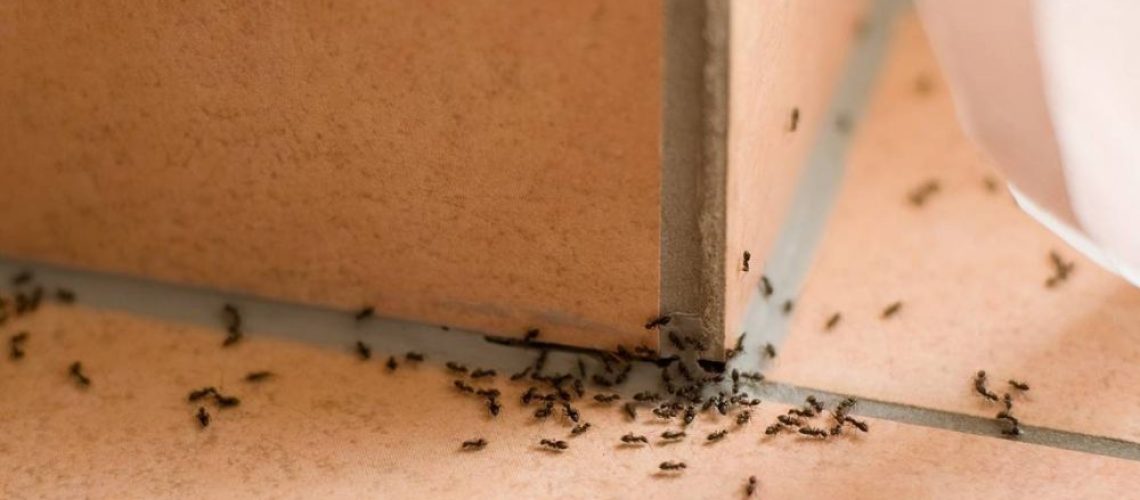
Ants can turn a clean home into a frustrating battleground.
One day, your kitchen looks spotless. The next, a long line of ants marches across the countertop, explores the sugar container, or gathers around food scraps. Your first instinct might be to reach for an insecticide and spray every corner. However, covering your home with chemicals is not always necessary to solve the problem.
The good news is that you can get rid of ants without spraying your entire house. By identifying their entry points, removing the things that attract them, and targeting their trails, you can control an infestation more effectively. These methods are especially useful for Nigerian households, where ants may appear around stored food, kitchen cupboards, rubbish bins, and outdoor drains.
Why Do Ants Keep Coming Into Your Home?
Before tackling an ant problem, understand what attracts these insects in the first place. Ants enter homes mainly in search of food, water, and shelter. A few crumbs beneath the dining table, a sticky patch of spilled soft drink, or an uncovered bowl of sugar can attract foraging ants.
Once an ant discovers a reliable food source, it leaves a chemical trail that guides other members of its colony to the same location. This explains why a few ants can quickly become dozens or even hundreds.
Ants may also enter through tiny gaps around windows, doors, pipes, floor tiles, and walls. Some colonies establish nests in gardens, beneath paving stones, or inside wall cavities. Therefore, killing the ants you can see may not solve the underlying problem.
The most effective approach combines cleanliness, targeted treatment, and prevention.
1. Remove the Food Sources Attracting Ants
Start by inspecting the areas where ants appear most frequently. Kitchens, dining areas, pantries, and rubbish storage spaces deserve particular attention.
Wipe countertops after preparing meals, sweep floors regularly, and clean beneath appliances where crumbs often collect. Pay attention to sweet substances, including honey, fruit juice, jam, and sugary drinks. Even a small spill can attract an entire trail of ants.
Store food in tightly sealed containers. Instead of leaving garri, rice, beans, cereal, or sugar in loosely closed bags, transfer them into containers with secure lids. This protects your food while making it harder for ants to access it.
Also, inspect fruit bowls and food storage areas frequently. Overripe fruit can attract ants, while poorly sealed packages may provide easy access to dry goods.
Finally, empty rubbish bins regularly and clean any sticky residue inside them. Removing these food sources makes your home less attractive to ants and reduces the likelihood of repeated invasions.
2. Follow the Ant Trail to Find Their Entry Point
Rather than treating every room, observe where the ants travel. Their movement often reveals the gap they use to enter your home.
Follow the trail from the food source towards windows, doorframes, wall cracks, plumbing openings, or floor edges. Check behind kitchen cabinets and beneath sinks, where moisture and small gaps may attract insects.
Once you identify the likely entry point, clean the surrounding area and remove any accessible food or water. If the ants disappear into a crack, monitor it to determine whether they are travelling through the wall or coming from outdoors.
Seal suitable gaps with caulk or another appropriate repair material. Install door sweeps where necessary and repair damaged window screens.
However, avoid sealing an opening while ants are actively trapped inside a wall cavity. Investigate the route first, and consider professional pest control if the colony appears to be nesting inside the structure.
3. Clean Away Ant Trails With Soapy Water
One of the simplest ways to tackle visible ants is to wipe their trails with soapy water.
Mix a small amount of ordinary dishwashing liquid with water, apply it to a cloth, and wipe the affected surface. This helps remove food residue and disrupt the chemical trails ants use to navigate.
You can use this method on suitable countertops, tiled floors, shelves, and other washable surfaces. Follow the manufacturer’s cleaning guidance for delicate materials, and test an inconspicuous area when necessary.
For immediate control, wipe up the ants you see and clean the entire route they have followed. Otherwise, remaining trail chemicals may continue to guide other ants towards the same location.
Avoid mixing cleaning products, especially bleach with acids or ammonia-containing products. A simple solution of dish soap and water is sufficient for this cleaning task.
4. Use Ant Bait Instead of Spraying Everywhere
If ants keep returning despite regular cleaning, bait may offer a more effective solution than spraying visible insects.
Ant baits contain food attractants combined with an insecticide. Worker ants carry the bait back towards the colony, allowing the active ingredient to reach ants that remain hidden. Depending on the product and ant species, this can help reduce the colony rather than simply killing the insects you see.
Choose a product labelled for the particular indoor use and follow its instructions carefully. Place bait stations along established ant trails or near entry points, but keep them away from children, pets, food preparation surfaces, and accessible food supplies.
Do not spray insecticide directly on or around bait placements unless the label specifically permits it. Repellent sprays can deter ants from taking the bait, reducing its effectiveness.
Be patient. Some baits take several days or longer to produce noticeable results. If ants ignore one formulation, the species may prefer a different food source. A suitable alternative bait may work better.
For persistent infestations, consult a qualified pest control professional who can identify the ant species and recommend an appropriate treatment.
5. Keep Your Kitchen Dry and Fix Leaks
Food is not the only thing ants need. Water can also draw them indoors, particularly during hot weather or periods of limited rainfall.
Check beneath sinks, around taps, near refrigerators, and beside washing machines for leaks or standing water. Repair dripping taps, dry wet countertops, and avoid leaving water in containers overnight unless necessary.
After washing dishes, clear away excess water around the sink. Ensure that kitchen sponges and cleaning cloths dry properly between uses.
Outside, check that drainage areas remain clear and that water does not collect near your building’s foundation.
Reducing moisture will not eliminate every ant colony, but it removes another resource that can make your home attractive to these pests.
6. Try Household Prevention Methods Carefully
Some household practices can help discourage ants without filling your home with insecticide. For example, wiping surfaces regularly with ordinary cleaning products removes food residue and makes trails less attractive.
You may also encounter recommendations involving vinegar, lemon juice, cinnamon, coffee grounds, or essential oils. However, these methods generally offer inconsistent, short-term results. They should not replace proper sanitation, entry-point repairs, or effective baiting when an infestation persists.
Avoid scattering powders or applying essential oils indiscriminately around the house. Some substances can irritate the skin or airways, damage surfaces, or pose risks to pets. Never assume a product is safe simply because it is natural.
If you choose a commercial repellent, check that its label permits indoor use and follow all precautions.
7. Prevent Ants From Returning
Once ant activity decreases, establish a simple routine to prevent another invasion.
Clean kitchen surfaces after meals, sweep floors regularly, seal opened food packages, and empty rubbish bins before they overflow. Inspect pantry shelves for spilled grains and check fruit bowls for overripe produce.
Seal cracks around doors and windows, repair damaged screens, and trim vegetation that touches exterior walls. Where possible, keep firewood, cardboard, and other potential nesting materials away from the building.
If you live in an apartment, remember that ants may travel through shared walls, plumbing routes, or neighbouring units. Inform your landlord or building manager if the infestation continues despite your efforts.
Persistent activity may indicate a nearby nest or an entry route you have not identified. A professional inspection can help establish the source and prevent repeated treatment.
When Should You Call a Pest Control Professional?
Occasional ants around a food spill are usually manageable with cleaning and targeted prevention. However, professional assistance may be necessary if ants repeatedly return, appear in several rooms, emerge from electrical fittings, or seem to nest inside walls.
Large infestations may require species-specific treatment. Some ants also cause structural damage, while others can contaminate food storage areas. If you notice wood damage or suspect a species that nests inside timber, arrange an inspection rather than relying on household remedies.
A professional can identify the species, locate nesting sites, and select a treatment that targets the problem without unnecessarily treating every surface in your home.
Conclusion
Getting rid of ants does not require spraying your entire home with insecticide. In many cases, a combination of proper cleaning, sealed food storage, moisture control, entry-point repairs, and carefully placed ant bait can produce better results.
The key is to address the reason ants are entering your home rather than focusing only on the insects you can see. Follow their trails, remove their food sources, and prevent access to the areas they favour.
With consistent maintenance and targeted treatment, you can make your home less attractive to ants, protect your food, and reduce unnecessary exposure to pesticides. If the infestation persists, professional pest control can help you deal with the source instead of repeatedly fighting the same problem.
