

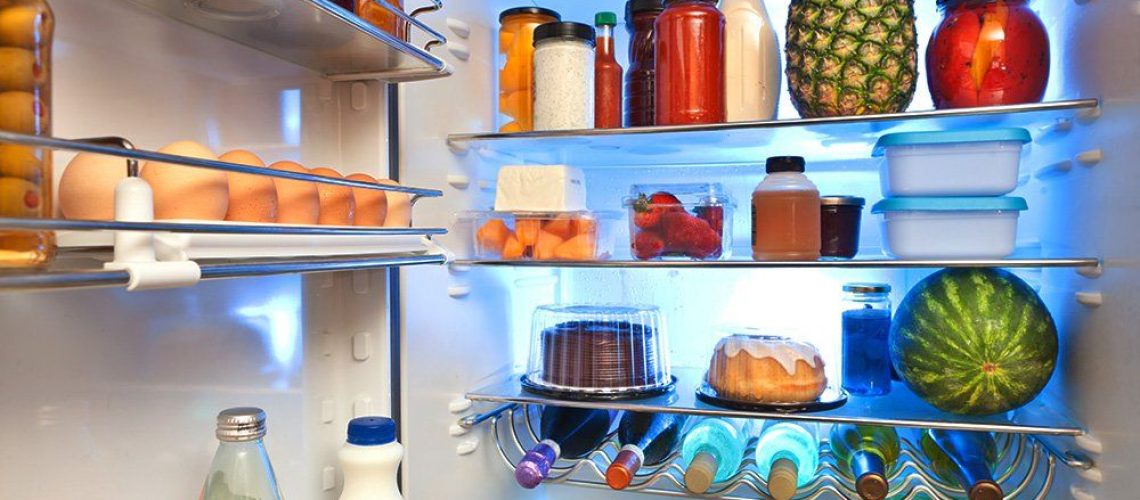
Have you ever bought fresh vegetables, fruits, meat, and other groceries, only to discover that some have spoiled before you could use them? You are not alone.
Many households lose money every week because food gets forgotten at the back of the fridge, leftovers remain untouched, and fresh produce spoils before the next meal.
The problem is not always how much food you buy. Sometimes, it is how you organise what you already have.
One simple fridge organisation hack can help you reduce food waste significantly: the First In, First Out (FIFO) method combined with a dedicated “eat first” section. This approach places older food where you can see it and keeps recently purchased groceries behind it. Although results vary between households, this system can help you cut avoidable food waste by making it easier to use ingredients before they spoil.
For families managing rising food prices, especially in busy Nigerian cities such as Lagos, Abuja, and Port Harcourt, better food storage can protect both the grocery budget and the effort involved in shopping.
Why Poor Fridge Organisation Leads to Food Waste
A refrigerator can preserve food, but it cannot prevent waste if you forget what is inside it.
Imagine buying tomatoes, carrots, chicken, and yoghurt during your weekly shopping trip. You place everything wherever there is space. A few days later, you buy more groceries and push the older items towards the back. Soon, you forget about the vegetables in the drawer and the leftover rice in a covered bowl.
By the time you discover them, some items may have spoiled or become less appealing to eat.
Poor organisation creates several problems:
- Hidden food: Items pushed behind containers are easy to forget.
- Duplicate purchases: You buy ingredients you already have because you cannot see them.
- Incorrect storage: Some foods spoil faster when stored in unsuitable conditions.
- Unplanned meals: You cook new dishes without considering ingredients that need attention.
- Overcrowding: An overloaded fridge may restrict airflow and make it harder to maintain consistent temperatures.
These small problems add up. However, a few practical changes can make your fridge easier to manage.
The Fridge Organisation Hack: Create an “Eat First” Zone
The heart of this method is simple: give food that needs to be used soon a clearly visible place in your refrigerator.
Choose a clean, accessible shelf or section and label it “EAT FIRST.” Place leftovers, opened food, and ingredients that need to be used soon in this area.
For example, if you have half a cabbage, leftover stew, cooked rice, and a container of chopped vegetables, keep them together in the designated section, provided each item is stored safely.
When you open the fridge to plan breakfast, lunch, or dinner, check this section first. Instead of starting with whatever you feel like cooking, look for meals you can prepare using these ingredients.
This approach turns your fridge into a practical meal-planning tool rather than a place where groceries disappear from sight.
You can use a clean, food-safe container or tray to group smaller items. However, keep raw meat and seafood securely contained on the lowest shelf, away from ready-to-eat food. Never place raw meat in the eat-first section if doing so could expose other foods to leaks or contamination.
How to Apply the First In, First Out Method
The FIFO method is widely used in food storage and inventory management. It simply means using older stock before newer stock of the same type.
Here is how to apply it at home.
1. Empty and Check Your Fridge
Before your next major shopping trip, inspect the fridge. Remove spoiled food, check leftovers, and identify ingredients that need to be used soon.
Clean spills and wipe shelves with a suitable cleaning solution. Check food labels and discard anything that is unsafe to eat. Do not taste food to determine whether it has spoiled.
2. Arrange Older Food in Front
When you buy new yoghurt, milk, or packaged food, move older items to the front and place the new purchases behind them. Apply the same principle to suitable containers of vegetables and other ingredients.
This makes older food easier to notice and use first.
3. Label Leftovers
Write the preparation date on containers of cooked food. This helps you know how long the food has been stored and whether it remains safe to eat.
As a general food-safety guideline, refrigerate perishable food within two hours of preparation, or within one hour when the surrounding temperature exceeds 32°C. Keep your fridge at 4°C or below. Most cooked leftovers should be eaten within three to four days when properly refrigerated.
If you cannot eat leftovers within that period, freeze them promptly in suitable containers.
4. Store Food in Suitable Containers
Transparent, food-safe containers allow you to see what you have without opening every lid. They also help protect food from contamination and reduce spills.
Choose containers that fit your shelves and stack securely. Divide large quantities into smaller portions so you can remove only what you need.
However, do not put hot food into the fridge in a way that could compromise the temperature of other foods. Divide large batches into shallow containers and refrigerate them promptly.
5. Keep Your Fridge at the Right Temperature
A well-organised fridge still wastes food if it is too warm. Use a refrigerator thermometer to confirm that the temperature remains at or below 4°C.
Avoid packing the shelves so tightly that cold air cannot circulate. Also, remember that not every food belongs in the fridge. Whole, unripe bananas, for example, can ripen at room temperature, while cut fruit requires refrigeration.
Organise Your Fridge According to Food Type
Different areas of your refrigerator serve different purposes, so organise them with food safety in mind.
Top and middle shelves: Store ready-to-eat foods, drinks, and properly covered leftovers. Keep foods that require no further cooking away from raw ingredients.
Bottom shelf: Place raw meat, poultry, and seafood in sealed containers to prevent drips from contaminating other food.
Drawers: Use them for suitable fruits and vegetables. Keep produce separated when practical because some fruits release ethylene gas, which can accelerate ripening in sensitive vegetables.
Door shelves: Store condiments and products suited to the door’s fluctuating temperature. Avoid keeping highly perishable foods, such as milk, in the door when a colder shelf is available.
Remember that the refrigerator’s door is generally warmer than its interior. Always follow the manufacturer’s storage recommendations and the instructions on food packaging.
Plan Meals Around What You Already Have
Fridge organisation becomes more effective when you connect it to your weekly meal plan.
Before shopping, check your eat-first section and build at least two or three meals around those ingredients.
For instance, leftover vegetables could become part of a stir-fry, soup, or sauce. Properly stored cooked chicken could feature in sandwiches or rice dishes. Tomatoes approaching the end of their useful life may be suitable for stew, provided they remain fresh and safe to eat.
This strategy is particularly useful for Nigerian households that buy ingredients in bulk from markets such as Mile 12 in Lagos. Bulk purchasing can reduce the cost per unit, but the savings disappear when perishable ingredients spoil before use.
Buy quantities that match your household’s consumption, storage capacity, and meal schedule.
Make the System a Weekly Habit
You do not need expensive organisers or a perfectly arranged refrigerator to reduce food waste. Consistency matters more than appearance.
Choose one day each week to inspect your fridge, clean up spills, review leftovers, and plan meals around ingredients that need attention. During your shopping trip, buy only what your household needs and has room to store safely.
You can also keep a simple list on the fridge door showing ingredients that need to be used soon. Update it whenever you add leftovers or discover food nearing the end of its useful life.
Involve other household members, too. When everyone understands the eat-first section, they can help use older food rather than opening new packages unnecessarily.
Conclusion
Reducing food waste does not always require spending less at the market or changing your entire diet. Sometimes, the biggest improvement comes from using the food you already have more efficiently.
The First In, First Out method, combined with a clearly marked eat-first section, makes forgotten groceries easier to find and helps households plan meals before ingredients spoil. When you combine this system with safe storage temperatures, labelled leftovers, and thoughtful shopping, you can protect your food budget and make better use of every purchase.
The results will depend on your household’s shopping habits, the foods you buy, and how consistently you follow the system. Still, one small change can make a meaningful difference: before you buy more food, check what is already in your fridge. Your next meal, and your wallet, may benefit from it.
