

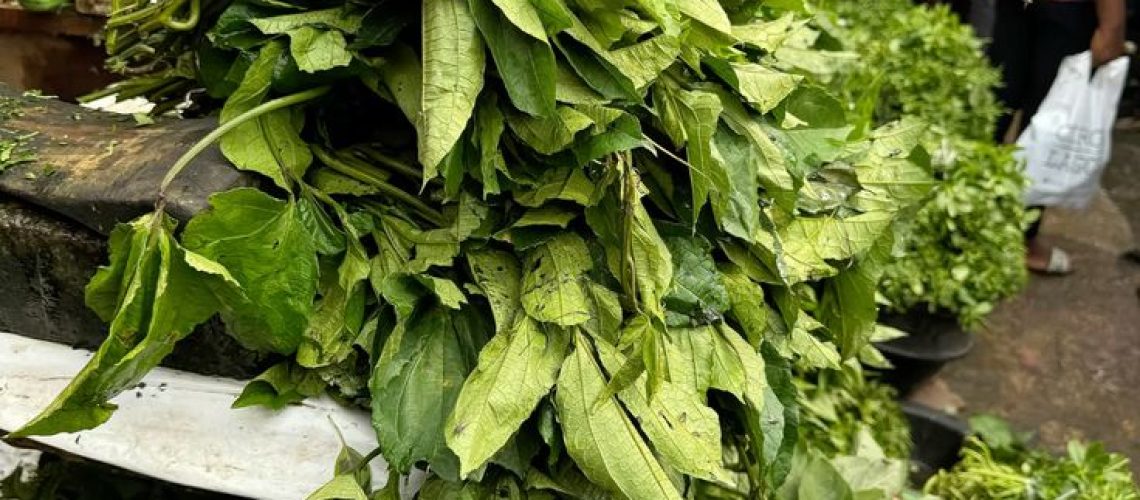
Fresh leafy vegetables are essential in many Nigerian homes.
From ugu used in egusi soup and vegetable soup to spinach, waterleaf, scent leaves and green amaranth, these vegetables add flavour, colour and nutrients to everyday meals. However, keeping them fresh for an entire week can be challenging, especially when the weather is hot or refrigeration is unreliable.
Many people buy vegetables in bulk to save money, reduce market trips and ensure ingredients are always available. Unfortunately, poor storage can cause leaves to wilt, turn yellow, develop unpleasant smells or become slimy within a few days. The good news is that you can extend the freshness of your vegetables by following a few simple steps.
Whether you shop at a local market in Lagos, buy vegetables from a neighbourhood seller or harvest them from your garden, the right storage method can help you reduce food waste and get more value from your purchases.
Why Leafy Vegetables Spoil Quickly
Leafy vegetables contain a high percentage of water. After harvesting, they continue to lose moisture through their leaves. This process causes wilting, while exposure to excessive heat speeds up deterioration.
Moisture also plays an important role. When wet leaves remain tightly packed without adequate airflow, bacteria and mould can develop more easily. On the other hand, excessive dryness can make vegetables limp and unattractive.
Different vegetables also have different storage needs. Ugu leaves generally keep well when handled carefully and refrigerated, while waterleaf tends to spoil faster because of its delicate structure and high moisture content. Understanding these differences helps you choose the most suitable storage method.
1. Sort Your Vegetables Immediately After Buying
Start by spreading your vegetables on a clean surface when you return from the market. Remove damaged, yellow, bruised or slimy leaves, as these can encourage spoilage among healthy leaves.
Separate different vegetable types instead of mixing everything into one bag. Keep ugu apart from waterleaf, spinach and scent leaves because their moisture levels, textures and storage requirements differ.
Next, remove thick, unwanted stalks and other debris if necessary. However, avoid excessive cutting because damaged leaves deteriorate more quickly.
Sorting also makes meal preparation easier throughout the week. You can divide your vegetables according to the meals you intend to prepare, saving time when you need to cook.
2. Avoid Washing Vegetables Before Refrigerating Them
One common mistake is washing every vegetable immediately after returning from the market and placing the wet leaves directly inside the refrigerator.
Although washing removes dirt, trapped moisture can encourage decay during storage. For vegetables you intend to keep for several days, it is generally better to remove loose dirt and store the leaves unwashed until you are ready to use them.
If you must wash them beforehand, drain them thoroughly and allow the surface moisture to disappear before packing. A salad spinner or clean kitchen towel can help remove excess water without bruising delicate leaves.
Always wash vegetables thoroughly under clean running water before cooking or eating them. Avoid using soap or household detergents on produce.
3. Store Ugu Properly in the Refrigerator
Ugu is a popular choice for Nigerian soups, but its freshness depends on how you handle it after purchase.
First, remove damaged leaves and separate any thick stems that you do not need. Do not crush the leaves into a small container because pressure can bruise them.
Wrap the unwashed leaves loosely in a clean, dry paper towel or place them in a clean container lined with absorbent material. Put the container inside a breathable produce bag or use a storage bag with ventilation.
Store the ugu in the refrigerator’s vegetable drawer, where temperatures remain consistently cold without freezing the leaves. Keep it away from areas where the leaves may become wet from condensation.
Check the package every day or two. If the paper towel becomes damp, replace it. Remove any deteriorating leaves immediately.
Properly refrigerated ugu may remain usable for several days and sometimes around a week, depending on its freshness at purchase and storage conditions. However, no method can guarantee seven days of freshness in every situation.
4. Use a Different Method for Waterleaf and Other Delicate Greens
Waterleaf requires extra care because its soft leaves and succulent stems deteriorate more quickly than sturdier vegetables.
Remove damaged portions and avoid squeezing the bunch. Place the leaves in a container lined with a dry paper towel, then cover loosely to reduce moisture loss while allowing some airflow.
Refrigerate the container and inspect it regularly. Replace wet paper towels and remove leaves that begin to break down.
Waterleaf may not remain fresh for a full week, even under refrigeration. Therefore, use it within the first few days whenever possible.
Spinach and green amaranth can also be stored in breathable bags or containers lined with absorbent paper. Scent leaves benefit from gentle handling because their delicate leaves can bruise easily.
If you purchase several types of vegetables, plan to cook the most delicate ones first and reserve the sturdier leaves for later meals.
5. Keep Vegetables Fresh Without a Refrigerator
Not every household has reliable electricity or enough refrigerator space. Fortunately, you can still protect leafy vegetables for a shorter period by controlling heat and moisture.
Begin by keeping the leaves away from direct sunlight, hot cooking areas and enclosed spaces with poor ventilation. Spread the vegetables loosely in a clean basket or tray rather than leaving them compressed inside a plastic shopping bag.
Cover them lightly with a clean, slightly damp cloth if the surrounding conditions are dry, ensuring that the leaves do not become soaked. Check the cloth frequently and remove it if moisture accumulates.
Store the basket in the coolest, cleanest part of your home. Avoid placing vegetables near waste bins, chemicals or other sources of contamination.
However, room-temperature storage cannot reliably keep leafy vegetables fresh for seven days in Nigeria’s warm climate. Buy smaller quantities, cook the vegetables sooner or use a properly functioning refrigerator or freezer for longer storage.
6. Freeze Excess Vegetables for Later Use
Freezing is useful when you buy more vegetables than your household can consume within a few days.
For ugu and sturdier cooking greens, remove damaged leaves, wash thoroughly and cut them into convenient portions. Blanching is generally recommended for longer freezer storage because it slows the enzymes responsible for changes in colour, flavour and texture.
To blanch, place the prepared vegetables briefly in boiling water, then transfer them immediately into ice-cold water to stop the cooking process. Drain thoroughly, remove excess moisture and package the vegetables in clean, freezer-safe bags or containers.
Divide the vegetables into meal-sized portions before freezing. Label each package with the vegetable type and date, then place it in a freezer maintained at approximately -18°C.
Some vegetables, particularly waterleaf, may become softer after freezing and thawing. This change is usually less noticeable in soups and stews than in dishes where crisp texture matters.
Frozen vegetables can last considerably longer than refrigerated ones, although quality gradually declines. Thaw them in the refrigerator or add suitable frozen portions directly to cooking, depending on the recipe.
7. Plan Your Meals Before Buying Vegetables
The easiest way to prevent spoilage is to purchase quantities that match your household’s needs.
Before visiting the market, decide which meals you will prepare during the coming week. For example, you might use ugu for egusi soup on Monday, spinach for a vegetable dish on Wednesday and waterleaf for another soup on Tuesday.
Buy delicate vegetables in smaller quantities and prioritise using them early. Purchase sturdier varieties for later meals, and freeze any surplus that you cannot consume promptly.
You should also avoid storing vegetables beside ripe fruits that release large amounts of ethylene, such as ripe bananas and some apples. This gas can accelerate yellowing and deterioration in sensitive leafy produce.
Conclusion
Keeping ugu and leafy vegetables fresh for a full week requires careful handling, suitable packaging and realistic meal planning. Sort your vegetables after purchase, avoid storing them while excessively wet, refrigerate them in breathable packaging and inspect them regularly.
Use delicate vegetables such as waterleaf early, while freezing suitable surplus portions for future meals. If refrigeration is unavailable, recognise that leafy vegetables may spoil much faster and adjust your shopping quantities accordingly.
With these simple practices, Nigerian households can reduce food waste, spend less on repeated market trips and keep essential ingredients available for everyday cooking. The key is not simply buying fresh vegetables, but storing them wisely from the moment they arrive home.
