

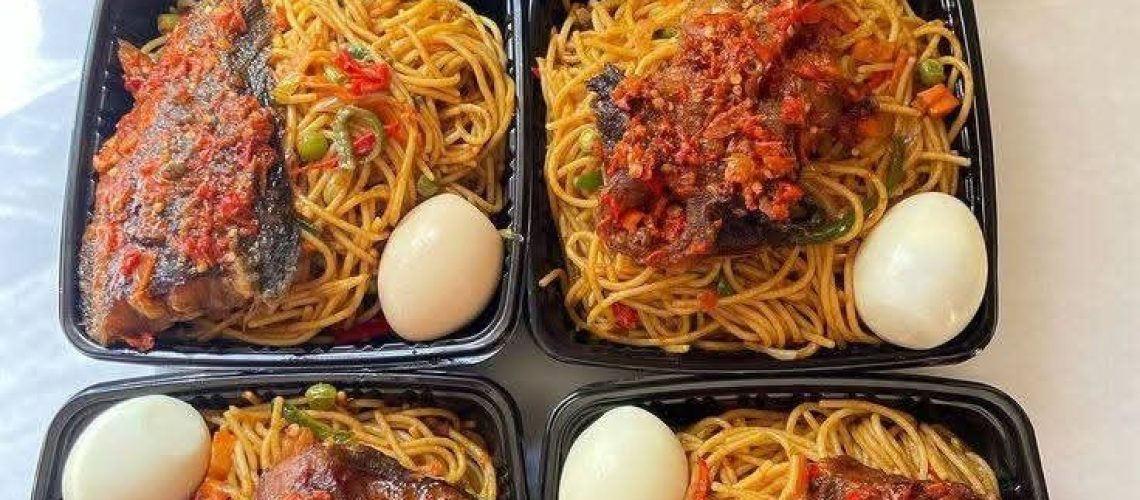
You can meal prep a week of Nigerian meals in about three hours by choosing dishes that share ingredients, preparing staples in batches and organising portions before you start cooking.
The trick is not to cook seven completely different meals. Instead, plan a small menu around rice, beans, stew, vegetables, proteins and other ingredients your household already enjoys.
A realistic plan also considers your fridge space, freezer access, budget and work schedule. You may prepare some meals fully, while storing other ingredients separately so they stay fresh and can be combined later.
Before you start: plan your menu
Choose meals that can be mixed and matched. For example, a pot of tomato stew can accompany rice, boiled yam or beans on different days. Cooked beans can serve as a meal on their own or become the base for another dish.
Here is a sample plan for one adult. Adjust the quantities for your household and appetite.
| Day | Lunch | Dinner |
|---|---|---|
| Monday | Rice and tomato stew with chicken | Beans with ripe plantain |
| Tuesday | Jollof rice with vegetables | Boiled yam with egg sauce |
| Wednesday | Beans and plantain | Rice with stew and fish |
| Thursday | Rice with chicken and vegetables | Eba with vegetable soup |
| Friday | Leftover-safe rice bowl | Beans or yam with egg sauce |
| Saturday | Freshly prepared meal | Soup with a preferred swallow |
| Sunday | Family meal | Light meal or fresh leftovers |
This is a flexible guide, not a requirement to store every meal for seven days. Refrigerate food intended for the next few days and freeze suitable portions you will use later.
Your three-hour meal-prep schedule
First 20 minutes: check supplies and prepare your workspace
Before shopping or cooking, check what you already have. Look at your rice, beans, oil, seasonings, onions, tomatoes, vegetables and proteins. This helps prevent duplicate purchases and reduces waste.
Create a shopping list based on the menu. You may need rice, beans, plantain, yam, tomatoes, peppers, onions, eggs, chicken or fish, and vegetables such as ugu or spinach. Choose ingredients according to your budget and local availability.
Clear your kitchen worktop, wash reusable containers and prepare separate boards or utensils for raw and ready-to-eat foods. Start thawing frozen ingredients safely in the refrigerator ahead of the cooking session rather than leaving them on the counter.
Next 30 minutes: wash, chop and organise ingredients
Wash vegetables thoroughly and prepare the ingredients that take the most time to handle. Chop onions and peppers, sort through beans, measure rice and divide proteins into portions.
Keep raw meat and fish separate from cooked food and fresh produce. Clean any surface or utensil that comes into contact with raw protein before using it for other ingredients.
You can save time by grouping ingredients used in several dishes. For instance, portion onions and peppers for stew and egg sauce at the same time. However, do not chop more fresh produce than you can store safely.
Minutes 50–90: start the longest cooking tasks
Start cooking beans and preparing the stew base. These dishes can take longer than boiling rice or making egg sauce, so they deserve an early start.
If you own more than one cooking appliance, use them efficiently. A pot of beans can cook while you prepare tomatoes and peppers for stew. Keep an eye on the heat and water level, and avoid overcrowding your work area.
For households with limited cooking space or unreliable electricity, prioritise the meals that are most difficult to prepare on busy weekdays. You can keep some ingredients ready for quick cooking instead of attempting to prepare everything in advance.
Minutes 90–130: cook the main dishes and proteins
Prepare rice, cook your chosen protein and finish the stew. You might roast or cook chicken, prepare fish for meals later in the week, or boil eggs for a quick lunch option.
Choose methods that suit your kitchen. There is no need to make both jollof rice and several other elaborate dishes if that would stretch your time or budget. A versatile stew and one or two well-chosen staples may be enough.
Cook food thoroughly and use separate utensils for raw and cooked ingredients. Do not taste food with a spoon that has been used for stirring raw ingredients.
Minutes 130–155: prepare vegetables and quick meal components
Use this period to prepare vegetable soup, wash and portion vegetables, or make a simple egg sauce. Some vegetables are better cooked closer to serving time, so you can store them raw in suitable conditions and cook them later.
Avoid assuming that every vegetable will remain in perfect condition for the whole week once chopped. Moisture, temperature and the type of produce affect how long it stays fresh.
Final 25 minutes: portion, label and store
Divide the food into meal-sized portions using clean containers. Label each container with the meal and preparation date. Keep portions intended for the next few days refrigerated, and freeze those you will need later.
Do not leave large pots of cooked food sitting at room temperature for hours while you finish cleaning. Divide food into smaller, shallow containers to help it cool more quickly before refrigeration. Follow recognised food-safety guidance for safe storage and reheating.
How to make meal prep more affordable
The cheapest plan is not necessarily the one with the lowest shopping total. It is the one that provides useful meals without leaving you with food that spoils before you can eat it.
Buy ingredients with multiple uses. Tomatoes, onions, peppers, rice and beans can form the basis of several meals. This reduces the number of different items you need to purchase.
Compare unit prices. A larger pack may cost less per kilogram, but only buy it if you can store and use it properly.
Plan around seasonal produce. Prices and availability change, so adjust the menu to what is good value at your local market.
Use proteins strategically. Mix options such as beans, eggs, fish and chicken according to your nutritional needs and budget rather than relying on one expensive protein for every meal.
Coordinate household purchases. If several households want to buy suitable shelf-stable staples together, Easer’s Bulk Food Share service is relevant to the idea of organised bulk buying. Remember that sharing bulk purchases requires clear quantity planning, safe transport and proper storage.
Food-safety rules you should not skip
Meal prep saves time only when food remains safe to eat. Nigeria’s climate makes careful storage especially important, so do not rely on smell alone to decide whether food is safe.
- Refrigerate cooked food promptly instead of leaving it out for extended periods.
- Store raw meat and fish separately from cooked meals.
- Use clean, covered containers and follow suitable temperature guidance.
- Freeze portions that you do not intend to use within the recommended refrigerated storage period.
- Thaw frozen food safely in the refrigerator or using an appropriate safe method.
- Reheat food thoroughly and avoid repeatedly cooling and reheating the same large batch.
For further guidance, consult NAFDAC’s food hygiene resources.
Make your next week easier
Once you have tried this system, note which meals you actually ate and which portions went untouched. Use that information to adjust your next shopping list. If you regularly discard leftover rice or vegetables, reduce the batch size. If you run out of lunch portions by Wednesday, prepare more of the meals you find convenient.
Three hours of preparation will not eliminate every cooking task, but it can make busy weekdays more manageable. Start with a small menu, cook the most versatile dishes first and build a routine that fits your household rather than forcing yourself to prepare an unrealistic amount of food.
Frequently Asked Questions
1. Can I really meal prep a full week of Nigerian food in three hours?
You can prepare a useful selection of staples, sauces, proteins and meal portions in three hours if the menu is simple and the ingredients are organised. Some dishes may still need fresh cooking later in the week.
2. Which Nigerian meals are easiest to meal prep?
Rice, beans, tomato stew, cooked proteins and selected soups can work well. Choose foods your household enjoys and consider how well each dish stores and reheats.
3. How long can I keep meal-prepped food?
Storage time depends on the food, temperature and handling. Refrigerate food promptly, freeze portions intended for later and follow recognised food-safety guidance rather than assuming everything will last seven days in the fridge.
4. How can I meal prep without a freezer?
Prepare smaller batches, choose ingredients that keep safely under your available storage conditions and cook some components fresh during the week. Do not keep cooked food at room temperature for long periods as a substitute for refrigeration.
5. Is meal prepping cheaper than cooking every day?
It can reduce impulse purchases, fuel use and food waste, especially when ingredients are planned across several meals. Savings depend on portion sizes, local prices, storage facilities and how much food your household actually consumes.
