

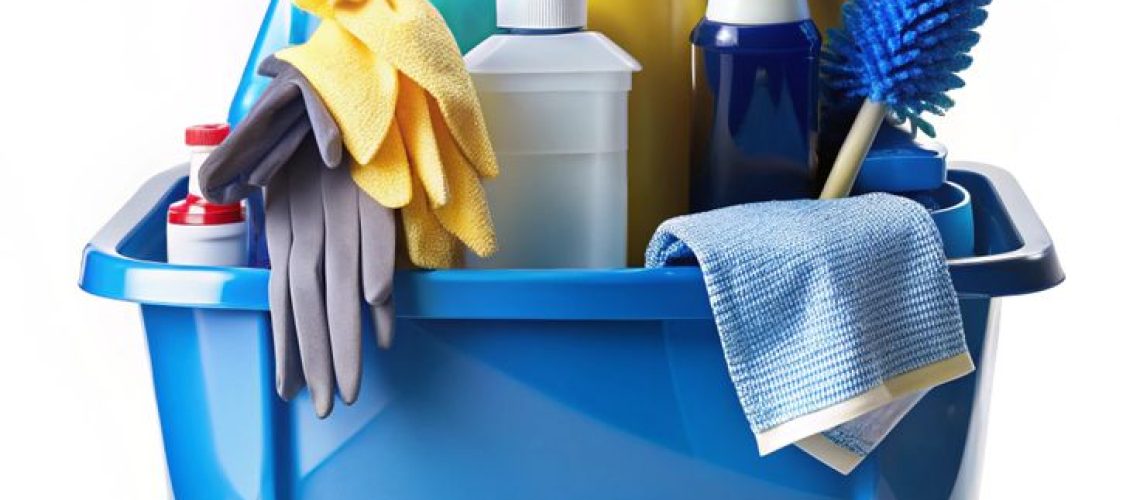
A professional cleaner’s toolkit is built around three things: the right tools for different surfaces, products that remove dirt effectively and a system that prevents cross-contamination.
The bag may look simple, but it is usually organised so the cleaner can work quickly without carrying unnecessary items from room to room.
You do not need an expensive collection of products to clean your home well. By understanding what each tool does, you can build a practical cleaning kit for a Lagos apartment, family home, office or short-let property.
1. Microfibre cloths: the everyday essential
Microfibre cloths are useful for wiping dust, fingerprints and everyday grime from many suitable surfaces. They can also reduce the need for disposable paper towels when maintained properly.
Professional cleaners often use different cloths for different tasks. For example, one set might be used for general surfaces, another for bathroom fixtures and a separate set for kitchen worktops. This reduces the risk of transferring dirt or germs between areas.
A simple colour-coding system can help household members remember which cloth belongs where. The exact colours do not matter as long as the system is consistent. Wash reusable cloths according to their care instructions and allow them to dry fully before storing them.
Home tip: Keep a small supply of clean cloths ready rather than trying to use one cloth for the entire house.
2. Scrub brushes for stubborn dirt
A cloth is not always enough. A soft brush can help remove dirt from grout, textured tiles, corners and other areas where grime builds up. A smaller brush is useful around taps and fittings, while a larger brush can cover broader areas.
Choose the brush according to the surface. A stiff brush may scratch delicate finishes, so test it in an inconspicuous area first. Avoid using the same brush for a toilet and kitchen surfaces.
After use, rinse brushes thoroughly, remove trapped debris and allow them to dry. A brush that stays damp in a closed bag can develop an unpleasant smell and become unhygienic.
3. A mop, bucket and suitable floor tools
The right floor-cleaning tool depends on the flooring. A mop and bucket may work well for suitable tiled floors, while a vacuum or soft broom may be better for removing dry dust first.
In dusty conditions, including during harmattan, sweeping alone can send fine dust back into the air. A suitable vacuum, dust-control method or damp mop can help capture it more effectively. Always check the manufacturer’s advice before using water or cleaning solutions on wood, laminate or other sensitive flooring.
A compact mop with a washable head can be practical for small apartments where storage space is limited. Empty and clean the bucket after use, and do not leave dirty water standing for the next cleaning session.
4. A small set of effective cleaning products
Professional cleaners do not necessarily need a different bottle for every room. A small selection of suitable products can cover many routine tasks, provided each one is used according to its label.
Your basic kit might include:
- A general-purpose cleaner suitable for the surfaces in your home.
- A bathroom cleaner designed for soap deposits and bathroom grime.
- A dishwashing liquid for washing dishes and certain compatible surfaces.
- A glass cleaner, if needed for windows and mirrors.
- A suitable disinfectant for the situations and surfaces that require disinfection.
Cleaning and disinfecting are not the same. Cleaning removes dirt and many germs from a surface; disinfection uses an appropriate product to reduce germs when required. Follow the product label for dilution, contact time, ventilation and surface compatibility.
Never mix cleaning chemicals. In particular, mixing bleach with acidic cleaners or ammonia-containing products can release dangerous gases. Keep products in their original labelled containers and away from children and pets.
5. Gloves and personal protective equipment
Reusable or disposable cleaning gloves help protect hands from grime and some cleaning products. The appropriate type depends on the task and the chemical being used. Gloves do not make every product safe, so follow label instructions and avoid prolonged contact with harsh substances.
For dusty work, a suitable mask may be helpful depending on the conditions. Good ventilation is also important when using cleaning products indoors. If a product requires eye protection or another precaution, follow the manufacturer’s instructions.
Professional cleaning is not simply about making a room look good. It also involves reducing avoidable exposure to chemicals and keeping both the cleaner and the household safe.
6. A scraper, sponge and detail-cleaning tools
Small tools help cleaners deal with jobs that larger equipment cannot reach. A non-scratch sponge may be useful for suitable kitchen surfaces, while a scraper designed for a specific material can help remove dried residue.
Use caution with blades and abrasive pads. They can damage glass coatings, paint, plastic and polished surfaces if used incorrectly. Check the material’s care instructions before attempting to remove stubborn marks.
A small detailing brush can also help clean around switches, window tracks and fittings. However, never spray liquids directly into electrical switches, sockets or electronic equipment. Use an appropriate cloth and follow the manufacturer’s cleaning guidance.
7. Bin liners, waste bags and disposable supplies
A professional cleaner needs a reliable way to collect rubbish and separate waste from reusable tools. Bin liners, disposable wipes for appropriate tasks and spare bags can help keep the cleaning process organised.
Do not use a waste bag to store wet cloths or dirty tools for long periods. Damp materials can develop unpleasant odours, and used cloths should be separated from clean supplies.
Where possible, reduce unnecessary single-use materials by choosing washable cloths and reusable tools that can be cleaned and maintained properly.
8. A caddy or organised cleaning bag
The bag itself is part of the system. A compartmentalised caddy helps keep bottles upright, cloths separate and small tools easy to reach. For a home cleaning kit, a lightweight plastic caddy may be enough. A professional working across several locations may need a more durable organiser.
Keep heavy bottles at the bottom and secure containers to prevent leaks. Do not transfer chemicals into unlabelled drink bottles or other containers that could be mistaken for food or beverages.
Before moving from one room to another, check that you have collected your tools. This simple habit saves time and reduces the chance of leaving cleaning products where children can reach them.
Build a practical toolkit for your home
Start with the basics: microfibre cloths, a suitable brush, a mop or vacuum, gloves, a small range of labelled cleaning products and a container to keep everything organised. Add specialist tools only when you have a recurring need for them.
Your kit should also reflect your home. A compact Lagos flat may need foldable tools and a small caddy, while a larger family home may benefit from separate bathroom and kitchen supplies. For more ideas, see Easer’s guide to cleaning tips for small Lagos apartments.
A professional result comes from good technique, consistent routines and the correct tool for the task, not from owning the most bottles. Keep the kit clean, replace damaged equipment and store every product safely. With that system in place, ordinary cleaning becomes more organised and less stressful.
Frequently Asked Questions
1. What is the most important tool in a professional cleaner’s bag?
There is no single tool for every job, but microfibre cloths, suitable brushes and effective floor-cleaning equipment are useful foundations. The right selection depends on the surfaces and tasks involved.
2. Do professional cleaners use different cloths for different rooms?
Many use separate cloths or a colour-coded system to reduce cross-contamination. The important thing is to keep bathroom, kitchen and general-purpose cloths appropriately separated and clean.
3. Can I use one cleaner for the whole house?
A general-purpose cleaner may be suitable for many surfaces, but not all. Check the label and the manufacturer’s surface-care instructions, and use specialist products where necessary.
4. Is disinfectant necessary every time I clean?
Not always. Routine cleaning removes dirt, while disinfection is appropriate for particular situations and surfaces. Follow public-health guidance and the product label rather than assuming every surface needs disinfectant daily.
5. How should I store cleaning supplies safely?
Keep products in their original labelled containers, store them away from children and pets, and follow any ventilation or temperature instructions. Never mix cleaning chemicals, and keep clean tools separate from used ones.
