

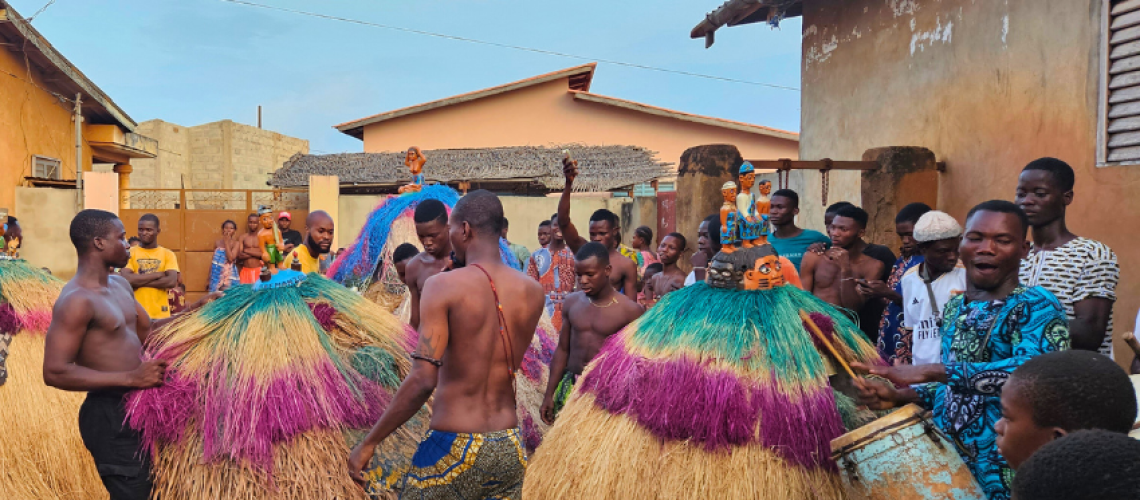
Africa is home to a remarkable variety of festivals that bring together music, dance, food, religion, history, fashion, and traditional ceremonies.
These celebrations offer travelers a chance to experience local culture beyond museums and tourist attractions. From colorful street processions to ancient cultural ceremonies, Africa’s festivals provide memorable experiences for visitors who want to connect with communities and traditions.
1. Calabar Carnival, Nigeria
Held in Cross River State, the Calabar Carnival is one of Nigeria’s best-known cultural celebrations. It features elaborate costumes, music, dancing, street performances, and large parades.
Visitors can experience the energy of Nigerian entertainment and see performers representing different cultural influences from across the country.
2. Timkat, Ethiopia
Timkat is an important Ethiopian Orthodox celebration commemorating the baptism of Jesus. The festival is particularly famous in Gondar, where colorful processions, traditional clothing, music, and religious ceremonies create a powerful cultural experience.
Travelers should approach the event respectfully because of its deep religious significance.
3. FESPACO, Burkina Faso
For travelers interested in African cinema, FESPACO in Ouagadougou is an important cultural event. The Pan-African Film and Television Festival of Ouagadougou brings filmmakers, actors, critics, and audiences together to celebrate African storytelling.
It offers visitors an opportunity to explore contemporary African creativity through film.
4. Gerewol, Niger
The Gerewol festival is associated with the Wodaabe people of the Sahel. Young men dress in elaborate clothing, apply distinctive makeup, sing, dance, and participate in displays connected with courtship and cultural identity.
Its remote setting and unique traditions make it particularly distinctive, although visitors should travel with experienced local guides and respect community customs.
5. Lake of Stars, Malawi
Lake of Stars combines music, art, tourism, and community experiences on the shores of Lake Malawi. The festival attracts performers and visitors from different parts of Africa and beyond.
It is an appealing option for travelers who want to combine cultural entertainment with Malawi’s lakeside scenery.
6. Essaouira Gnaoua Festival, Morocco
The Gnaoua World Music Festival in Essaouira celebrates Gnaoua music while bringing together musicians from Morocco and other parts of the world.
The festival creates a lively atmosphere throughout the historic coastal city, making it an excellent choice for visitors interested in music, heritage, and Moroccan culture.
7. Nyege Nyege Festival, Uganda
Held in Uganda, Nyege Nyege has developed a reputation for showcasing diverse African sounds, artists, DJs, performers, and creative communities.
It is especially attractive to younger travelers interested in contemporary African music and nightlife culture.
8. Festival au Désert, Mali
Festival au Désert became internationally known for celebrating Tuareg music and Saharan culture. The traditional event was historically associated with the desert near Timbuktu.
Because security conditions in parts of Mali can change significantly, travelers should check current official travel advisories before considering travel to the region.
9. Osun-Osogbo Festival, Nigeria
The Osun-Osogbo Festival takes place in Osogbo, Osun State, and is connected to Yoruba cultural and spiritual traditions. The celebration includes processions, music, dance, rituals, and traditional performances.
The nearby Osun-Osogbo Sacred Grove also adds historical and cultural significance to the experience.
10. Fes Festival of World Sacred Music, Morocco
The Fes Festival of World Sacred Music brings together spiritual and traditional music from different cultures. Performances take place in historic settings across the city, creating a distinctive combination of music, architecture, and heritage.
Making the Most of an African Festival Experience
Before attending a local festival, research the event’s dates, location, cultural expectations, accommodation options, transportation, and safety conditions. Some festivals attract enormous crowds, so booking accommodation and transportation early can make the experience easier.
It is also important to remember that festivals are not simply entertainment. Many are deeply connected to religious beliefs, ancestral traditions, community identity, or historical events. Dressing appropriately, asking before taking photographs, and following local guidance can help visitors participate respectfully.
Conclusion
Africa’s festivals provide a window into the continent’s extraordinary cultural diversity. Whether you are interested in traditional ceremonies, contemporary music, film, food, fashion, or community celebrations, there are countless opportunities to experience local culture firsthand.
The best festival experiences go beyond watching performances. They involve learning about the people, history, and traditions that give each celebration its meaning.
