

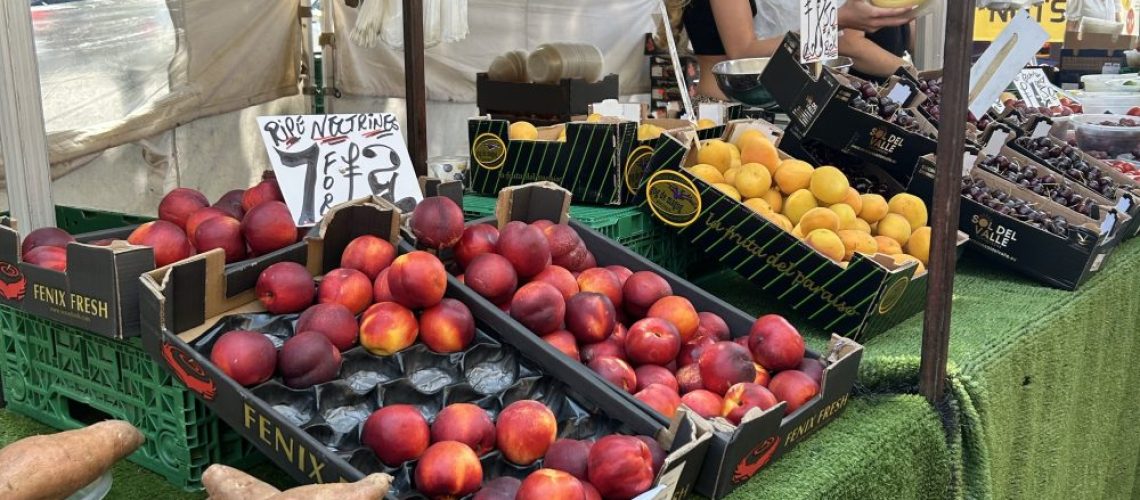
Why Neighborhood Markets Remain Important Despite Supermarket Growth
Supermarkets have become an increasingly familiar part of urban life across Africa. With organized aisles, fixed prices, air conditioning, digital payment options, and the convenience of finding many products under one roof, supermarkets offer a shopping experience that appeals to busy consumers. Yet, despite this growth, neighborhood markets continue to attract millions of shoppers every day.
From open-air markets and roadside stalls to small community shops and local trading centers, neighborhood markets remain deeply connected to everyday life. Their importance goes beyond simply providing places to buy food and household goods. They support local livelihoods, strengthen community relationships, provide flexible shopping options, and often make essential products accessible to people who may not regularly shop at supermarkets.
Affordability Remains a Major Advantage
One of the biggest reasons people continue to patronize neighborhood markets is affordability. Shoppers can often find fresh produce, grains, spices, meat, fish, and other household essentials at competitive prices.
Unlike supermarkets, where products generally have fixed prices, many neighborhood markets allow customers to negotiate. This flexibility is particularly valuable for households working with limited or changing budgets.
A shopper may buy a smaller quantity of an item rather than purchasing a large packaged unit. This makes it easier for people to manage daily or weekly expenses without committing to larger purchases.
Markets Support Small Businesses and Local Sellers
Neighborhood markets provide income opportunities for thousands of traders, farmers, artisans, transporters, food processors, and other small business owners.
When consumers purchase from local vendors, money circulates within the community. A vegetable seller may buy produce from a nearby farmer, while a food vendor may source ingredients from several other market traders.
This creates a network of economic activity that extends beyond the individual transaction. In many African communities, neighborhood markets are therefore important engines of informal employment and entrepreneurship.
Fresh Food Is Often Easier to Find
Freshness is another reason neighborhood markets remain popular. Many local markets specialize in products such as vegetables, fruits, fish, meat, herbs, spices, and other ingredients used in everyday cooking.
Because these products may arrive from nearby farms or distributors, shoppers can sometimes find seasonal produce that is not as readily available in larger retail stores.
Neighborhood markets also allow consumers to inspect products personally before purchasing them. They can select the size, ripeness, quantity, or quality that suits their needs.
They Offer Flexible Quantities
Supermarkets often sell products in standardized packages. While this is convenient, it may not work for every household.
Neighborhood vendors frequently allow customers to purchase exactly what they need. Someone cooking for a small family can buy a small quantity of vegetables, grains, spices, or other ingredients without having to purchase a large package.
This flexibility reduces unnecessary spending and can also help minimize food waste.
Convenience Is Not Always About Organization
Supermarkets are designed for convenience, but neighborhood markets offer a different type of convenience.
A local market may be only a few minutes’ walk from someone’s home. Small shops and street vendors may also remain open during hours when larger stores are closed.
For people who need a few ingredients quickly, visiting a nearby trader can be faster than traveling to a major supermarket, finding parking, walking through several aisles, and waiting at a checkout counter.
In densely populated African cities, where traffic and transportation costs can be significant, proximity can make neighborhood shopping especially valuable.
Strong Community Relationships
Neighborhood markets are also social spaces.
Regular customers often develop relationships with sellers they visit frequently. Vendors may know their customers’ preferences, recommend products, offer small discounts, or allow trusted buyers to pay later.
These relationships create a level of familiarity that is difficult to reproduce in larger retail environments.
Markets can also serve as places where people exchange information, meet neighbors, discuss local issues, and maintain community connections. In this sense, their role extends beyond commerce.
They Preserve Local Food Culture
Neighborhood markets play an important role in maintaining culinary traditions.
Traditional ingredients, locally produced foods, regional spices, indigenous vegetables, and culturally specific cooking products are often readily available in local markets. These products help households continue preparing meals connected to their heritage.
As cities become more modernized and food choices become increasingly globalized, neighborhood markets can help preserve local food systems and culinary identities.
They Create Opportunities for Small-Scale Entrepreneurs
Entering the supermarket industry often requires significant capital, formal structures, storage facilities, and compliance with various operational requirements.
Neighborhood markets, by contrast, can provide relatively accessible entry points for small entrepreneurs. A person may begin by selling a small selection of products and gradually expand the business.
This makes local markets important spaces for entrepreneurship, particularly for individuals seeking income opportunities without the resources required to establish a large formal business.
Supermarkets and Neighborhood Markets Can Coexist
The growth of supermarkets does not necessarily mean the disappearance of neighborhood markets.
Instead, the two models often serve different needs. Supermarkets may appeal to consumers looking for organized shopping, branded products, packaged goods, and one-stop purchasing. Neighborhood markets may be preferred for fresh produce, flexible quantities, negotiation, personal relationships, and locally sourced goods.
Many consumers move between both depending on their needs.
Someone may visit a supermarket to purchase toiletries and packaged foods while stopping at a neighborhood market later in the week to buy vegetables, fresh fish, spices, or other ingredients.
The Future of Neighborhood Markets
Neighborhood markets are likely to continue evolving as consumer expectations change. Better sanitation, improved storage, digital payments, organized stalls, waste management, security, and stronger logistics could make them even more competitive.
Technology can also help local sellers reach customers beyond their immediate surroundings. Social media, mobile payments, delivery services, and online marketplaces are already creating new possibilities for small traders.
Rather than viewing supermarkets and neighborhood markets as competing systems where one must replace the other, cities can benefit from supporting both.
Conclusion
Neighborhood markets remain important because they provide much more than places to purchase goods. They support local businesses, create employment, offer flexible prices and quantities, provide access to fresh food, preserve cultural traditions, and strengthen relationships within communities.
Supermarkets may continue to grow, but convenience comes in different forms. For many consumers, especially in rapidly growing African cities, the personal, flexible, affordable, and community-oriented experience offered by neighborhood markets remains difficult to replace.
The future of urban retail may therefore not belong exclusively to supermarkets or traditional markets. Instead, successful communities may be those that allow both to develop alongside each other, giving consumers more choices while ensuring that local businesses remain an important part of everyday economic life.
